Phoenix Real Estate and Community News

Sept. 1, 2025

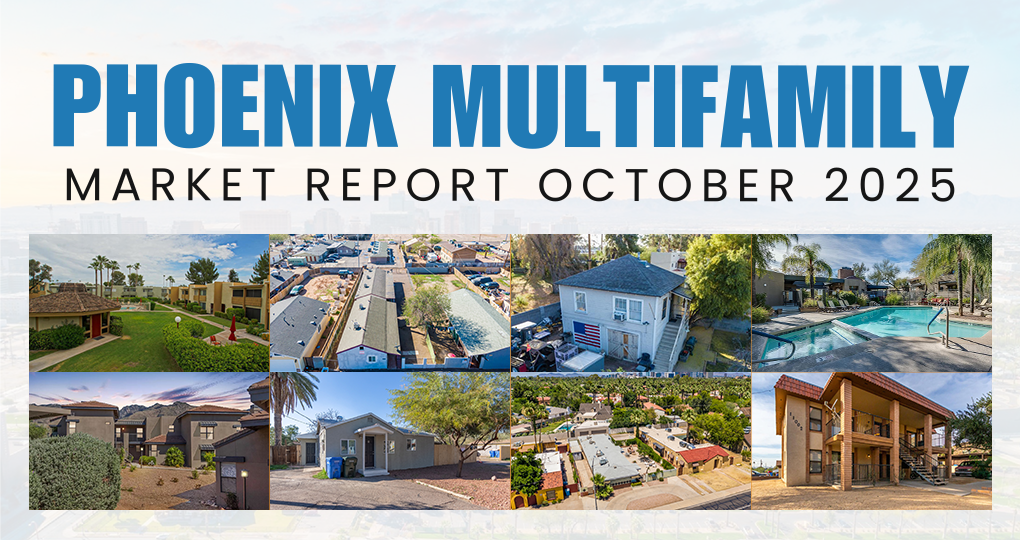
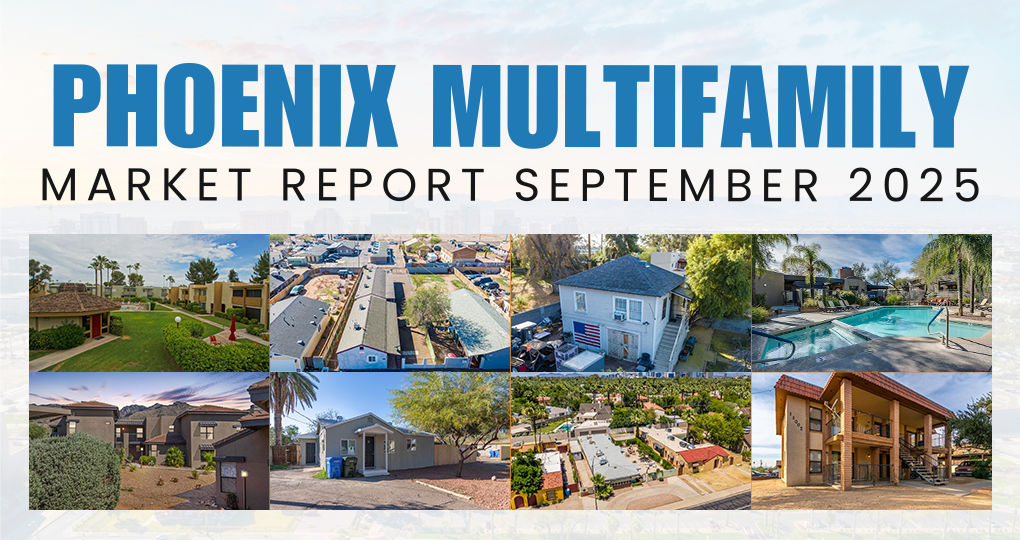
Phoenix MULTIFAMILY Market Report September 2025


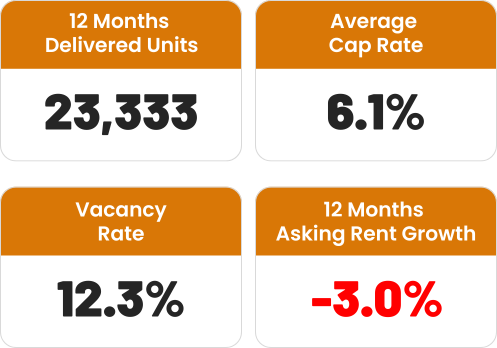
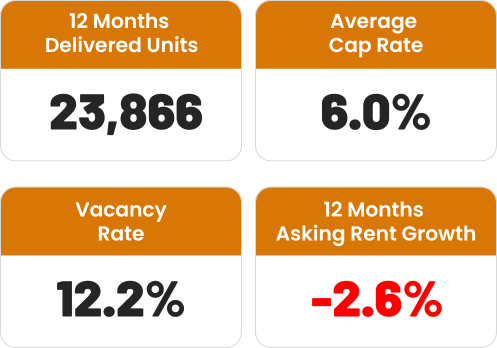
The Phoenix apartment market is experiencing a persistent imbalance between supply and demand, keeping vacancies elevated and rent growth negative. Over the past 12 months, the Valley recorded 17,000 units of net absorption—more than double the pre-COVID average and ranking Phoenix among the top 10 demand markets nationwide. However, this strong demand has been overshadowed by an unprecedented construction boom, with 24,000 new units delivered in the past year and another 23,000 underway. This surge has pushed vacancy rates to 12.2%, particularly in high-growth areas like Downtown Phoenix, Tempe, and the Southwest Valley. While workforce housing has shown relative stability, luxury properties have faced the steepest increases in vacancy and sharper declines in rent.


At the same time, heightened competition has driven down asking rents by 2.6% year over year, with more than half of communities now offering concessions such as six to eight weeks of free rent. Despite these challenges, signs of stabilization are emerging as vacancy growth has started to level off, and new construction starts are slowing. Looking ahead, oversupply will likely keep rent growth negative through 2025, but easing supply pressures are expected to support a recovery beginning in 2026.

Phoenix MULTIfamily Market FAQ


1. What’s happening in the Phoenix multifamily market right now?

Phoenix is facing a persistent mismatch between supply and demand. While leasing demand is strong, a historic wave of new construction is keeping vacancies high and pushing rent growth into negative territory.


2. How strong is demand for apartments in Phoenix?

Demand has been very strong—over the past 12 months, Phoenix absorbed 17,000 units, more than double its pre-COVID five-year average of 7,200 units. This places Phoenix among the top 10 demand markets in the U.S.


3. Why are vacancies still so high if demand is strong?

Because supply growth is outpacing demand. Developers delivered 24,000 new units in the past year—triple the historical average—and another 23,000 units are still under construction. This has pushed overall vacancy up to 12.2%.


4. Where is oversupply most concentrated?

Vacancies are expected to accumulate most in Downtown Phoenix, Tempe, and the Southwest Valley—areas with the most aggressive construction pipelines.


5. How are different property classes performing?

  • Luxury properties (Class A): Most impacted, with vacancy up more than 730 basis points since the post-pandemic peak and rents down 2.5% YoY.
  • Workforce housing (Class B & C): More insulated but still pressured, with vacancy up 480 basis points and rents down 1.9% YoY.


6. How is rent growth trending?

Rent growth has been negative since early 2023. Over the past year, average asking rents fell 2.6%, with more than half of communities offering concessions like free rent. Lease-up properties are offering 6–8 weeks of free rent, and some are even going beyond that.


7. When can the market recover?

A slowdown in new construction starts suggests supply pressures could begin easing by 2026. Vacancies are showing signs of stabilizing, but with a large amount of inventory still to be absorbed, 2025 will likely see continued negative rent growth before recovery begins.


Posted in CoStar Report
Aug. 3, 2025

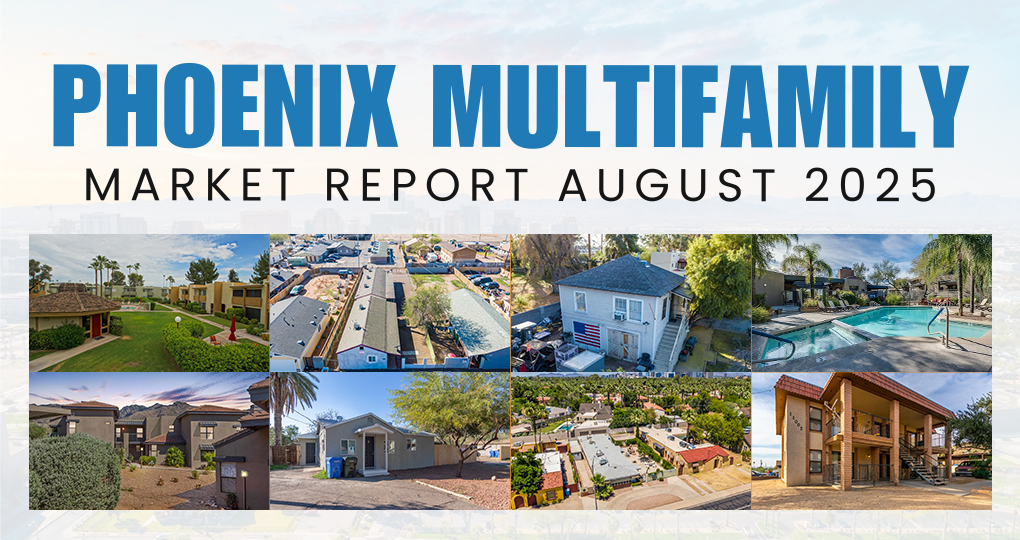
Phoenix MULTIFAMILY Market Report August 2025


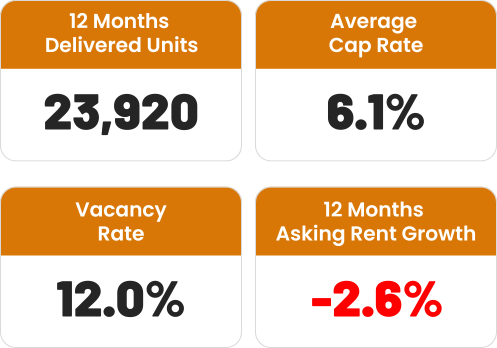
The Phoenix apartment market is experiencing a persistent imbalance between supply and demand. While leasing activity remains strong—17,000 units were absorbed over the past year, more than double the pre-COVID average—this demand is being overshadowed by a surge in construction. Over the same period, 24,000 new units were completed, and another 23,000 are under construction. This has pushed overall vacancy to 12.2%, with high-growth areas like Downtown Phoenix and Tempe seeing the most impact.

The oversupply has led to declining rents and increased concessions. Average asking rents dropped 2.6% year-over-year, with more than half of communities offering discounts such as six to eight weeks of free rent. Luxury properties have been hit hardest, with vacancies rising over 730 basis points and rents falling 2.5%, while more affordable units have seen a smaller 1.9% rent decline. Although a slowdown in construction starts may ease supply pressures by 2026, elevated vacancies are expected to continue, likely keeping rent growth negative through 2025.

Phoenix MULTIfamily Market FAQ


1. What is the current state of the Phoenix multifamily market?

The market is facing a supply-demand imbalance. While leasing activity is strong, a record-setting wave of new construction has pushed vacancy rates higher and caused rents to decline.


2. How much new apartment supply has been added recently?

In the past 12 months, 24,000 new units were completed—more than triple the pre-2019 average. An additional 23,000 units are under construction, representing 5.5% of the city's existing inventory.


3. How is demand holding up?

Demand is strong, with 17,000 units absorbed over the past year, ranking Phoenix among the top 10 U.S. markets for apartment demand. However, this is not enough to offset the flood of new supply.


4. What is the current vacancy rate?

The overall vacancy rate has risen to 12.2%, with the highest vacancies in areas like Downtown Phoenix, Tempe, and the Southwest Valley.


5. How are rents being affected?

Average asking rents have declined 2.6% over the past year. Luxury properties have seen a 2.5% rent drop, while more affordable 1 & 2 Star properties saw a 1.9% decline.


6. Are landlords offering rent concessions?

Yes, more than half of multifamily communities are offering discounts. Lease-up properties often provide six to eight weeks of free rent, and some concessions are extending beyond that.


7. Which segments are being impacted the most?

High-end/luxury apartment communities are facing the brunt of oversupply pressures, while workforce housing has been more resilient but still affected.


8. What’s the outlook for the market?

A slowdown in construction starts may ease pressure by 2026, but elevated vacancy levels and excess inventory are expected to keep rent growth negative through 2025.


Posted in CoStar Report
July 3, 2025

Phoenix MULTIFAMILY Market Report July 2025


The Phoenix apartment market continues to face a persistent imbalance between strong demand and overwhelming new supply. Despite recording 18,000 units of net absorption over the past year—more than double the pre-COVID average—vacancy has climbed to 12% due to the completion of 24,000 new units and ongoing construction of another 24,000 units.

Phoenix ranks among the top 10 U.S. markets for demand but also among the most aggressively built, with the impact felt most in Downtown Phoenix, Tempe, and the Southwest Valley. Luxury properties are seeing higher vacancy and rent declines compared to more stable workforce housing.

Rent growth has been negative since early 2023, with the average asking rent down 2.6% and over half of communities offering concessions like 6–8 weeks of free rent. A slowdown in construction starts points to relief by 2026, but high vacancies and excess inventory suggest another year of rent declines ahead.

Phoenix MULTIfamily Market FAQ


1. Why is the Phoenix apartment market facing challenges right now?

The market is experiencing a persistent mismatch between strong renter demand and an overwhelming supply of new apartment units. This oversupply has led to rising vacancies and declining rents.


2. How strong is apartment demand in Phoenix?

Very strong. Over the past year, Phoenix recorded 18,000 units of net absorption—more than twice the pre-COVID five-year average. This ranks Phoenix among the top 10 U.S. markets for apartment demand.


3. What’s driving the increase in vacancy rates?

The main factor is excessive new supply. In the past 12 months, 24,000 new units were completed—over triple the annual average from 2015 to 2019. An additional 24,000 units are currently under construction.


4. What is the current vacancy rate in Phoenix?

As of the latest data, overall vacancy has reached 12%, and it may rise further as more new units come online.


5. Which areas are most affected by oversupply?

High-growth areas like Downtown Phoenix, Tempe, and the Southwest Valley are seeing the greatest accumulation of vacant units.


6. Are all types of properties equally affected?

No. Luxury (Class A) properties are experiencing higher vacancy rates and greater rent declines. Workforce housing (Class B & C) has been more resilient but is also seeing increased vacancy and slight rent drops.

7. What about rent growth and concessions?

Rent growth has been negative since early 2023. Over the past 12 months:

  • Average asking rents declined 2.6%
  • Luxury property rents fell 2.5%
  • Over 50% of communities are offering concessions, often 6–8 weeks of free rent


8. When is the market expected to recover?

A slowdown in new construction starts is projected to ease supply pressure by 2026, potentially allowing for a market recovery. However, 2025 is likely to see continued high vacancy and negative rent growth.


Posted in CoStar Report
June 5, 2025

Phoenix MULTIFAMILY Market Report June 2025


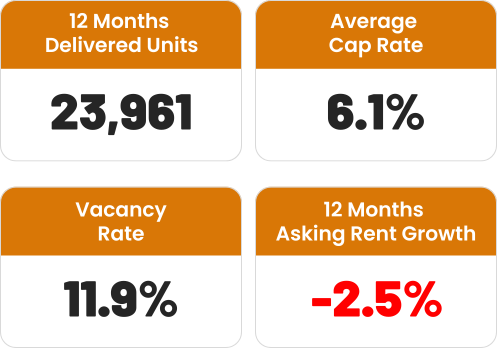
The Phoenix apartment market continues to face a supply-demand imbalance, with a surge in new construction keeping vacancy rates high and rent growth negative. Despite strong leasing activity—18,000 units absorbed over the past year, ranking Phoenix among the top 10 U.S. markets—new supply remains overwhelming, with 24,000 units completed and another 22,000 under construction.

Vacancy has risen to 11.9% and may climb further, especially in high-growth areas like Downtown Phoenix, Tempe, and the Southwest Valley. Luxury properties are seeing the highest pressure, with vacancy rates up over 700 basis points and rents declining 2.6% year-over-year. Workforce housing is less affected, though still experiencing some softening.

The competitive landscape has driven widespread rent concessions, with over half of communities offering discounts, often up to 6–8 weeks of free rent. While new construction is expected to slow, a full recovery may not occur until 2026, with continued negative rent growth likely in the near term due to persistent oversupply.

Phoenix MULTIfamily Market FAQ


1. Why is the Phoenix apartment market under pressure right now?

The market is facing a significant mismatch between supply and demand. A record-high level of new apartment construction is outpacing strong leasing activity, leading to higher vacancy rates and negative rent growth.


2. How strong is apartment demand in Phoenix?

Phoenix saw 18,000 units of net absorption in the past 12 months—more than double the pre-COVID average of 7,200 units per year. This ranks Phoenix among the top 10 apartment demand markets in the U.S.


3. How much new supply is being added?

Over the past year, 24,000 new units were completed—more than three times the annual average from 2015 to 2019. An additional 22,000 units are currently under construction, accounting for 5.4% of the existing inventory, making Phoenix the 6th most active construction market in the country.


4. What’s the current vacancy rate?

Overall vacancy has risen to 11.9%, including newly built properties still in lease-up. This figure is expected to increase as more units are delivered throughout the year.


5. Which areas are most affected by oversupply?

High-growth areas such as Downtown Phoenix, Tempe, and the Southwest Valley are seeing the most accumulation of vacant units due to concentrated development activity.


6. How are different property classes being impacted?

  • Luxury (Class A) properties have been hit hardest, with vacancy up over 700 basis points and rents falling by 2.6% year-over-year.
  • Workforce housing (Class B & C) is more insulated, with vacancy rising 420 basis points and a modest 1.0% rent decline.


7. What about rent growth and concessions?

Rent growth has been negative since early 2023. Over the past year:

  • Average asking rents declined by 2.5%.
  • More than 50% of communities are offering concessions.
  • Renters can expect 6–8 weeks of free rent at many lease-up properties.


8. When is the market expected to recover?

Construction starts have recently slowed, suggesting that supply pressure may ease by 2026. However, with a significant inventory glut remaining, another year of negative rent growth is likely before the market stabilizes.


Posted in CoStar Report
May 1, 2025

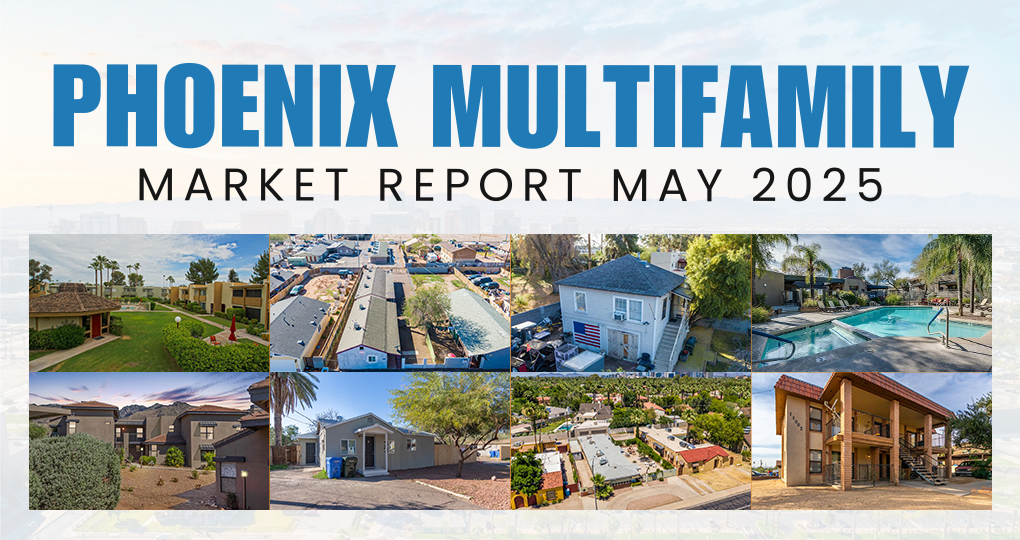
Phoenix MULTIFAMILY Market Report May 2025


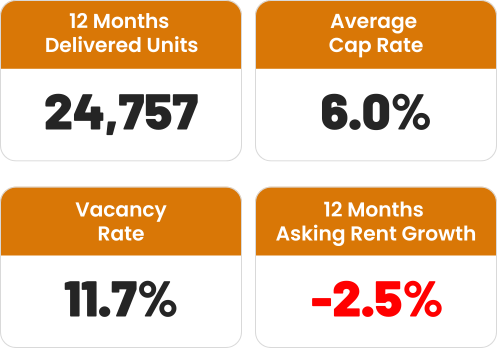
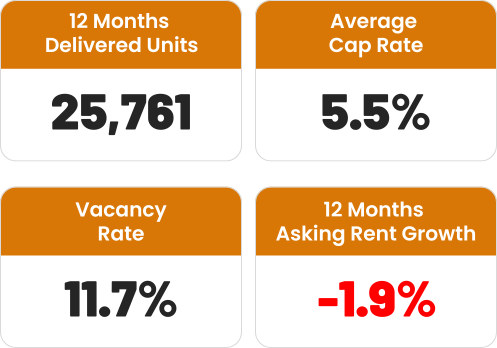
The Phoenix apartment market remains under pressure from a significant oversupply, despite strong leasing activity. In the past year, the market absorbed 18,000 units—well above the pre-COVID average—driven by a rebound in demand for mid-tier (3-Star) properties. However, this demand has been overshadowed by the completion of 25,000 new units, with another 23,000 still under construction. As a result, the overall vacancy rate has climbed to 11.7%, particularly in high-growth areas like Downtown Phoenix, Tempe, and the Southwest Valley.

Luxury properties have been the most affected, with vacancy rates rising sharply and rents falling by 2.7% year-over-year. Workforce housing has been more stable, experiencing only a slight dip in rents. To stay competitive, more than half of all communities are offering concessions, with lease-up properties commonly providing 6–8 weeks of free rent. While construction starts are slowing—suggesting future relief—excess inventory is likely to keep rent growth subdued through 2025, with a potential recovery expected by 2026.

Phoenix MULTIfamily Market FAQ


1. Why is the Phoenix apartment market struggling?

A mismatch between strong leasing demand and an overwhelming surge in new construction has kept vacancies high and rent growth negative.


2. How much demand is there currently?

The market saw 18,000 units of net absorption in the past 12 months—well above the pre-COVID average of 7,200 units per year.


3. What types of apartments are seeing the most demand?

Midpriced (3 Star) communities saw the biggest turnaround, absorbing 3,800 units after experiencing losses in 2022 and 2023.


4. How many new apartments were built recently?

25,000 new units were delivered in the last year—over three times the 2015–2019 average—and another 23,000 units are under construction.


5. What is the current vacancy rate?

Vacancy has climbed to 11.7% and may increase further as more units are completed in 2025.


6. Which areas are most affected by oversupply?

High-growth zones like Downtown Phoenix, Tempe, and the Southwest Valley are seeing the most new construction and vacant units.


7. Are all property types equally impacted?

No. Luxury properties have seen the biggest declines in occupancy and rent, while workforce housing (1 & 2 Star) has been more stable, with smaller rent drops and less vacancy increase.


8. Has rent growth turned negative?

Yes. Average asking rents declined 2.5% year-over-year, and luxury properties fell by 2.7%. Rent growth has been negative since early 2023.


9. Are concessions being offered to renters?

Yes. Over 50% of communities now offer incentives, with many providing 6–8 weeks of free rent for new leases.


10. What’s the future outlook for the market?


A slowdown in new construction could ease supply pressures by 2026. However, with a significant amount of excess inventory still on the market, rent growth is expected to stay weak through 2025.


Posted in CoStar Report
April 1, 2025

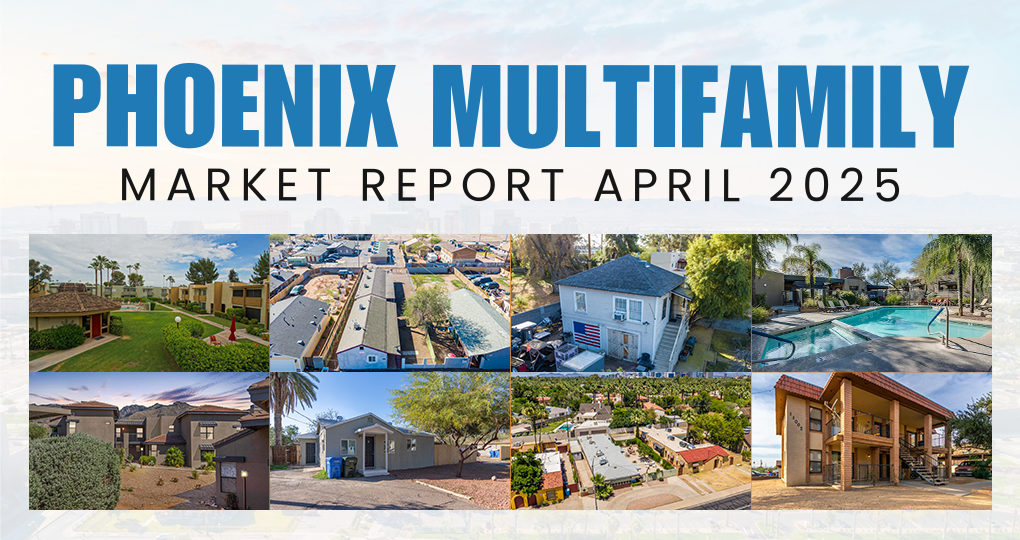
Phoenix MULTIFAMILY Market Report April 2025


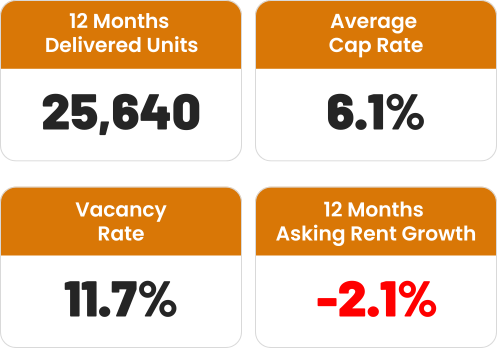
The Phoenix apartment market is facing a supply-demand imbalance, with strong demand being overshadowed by a surge in construction. Over the past year, 19,000 units were absorbed, exceeding pre-COVID averages. However, the completion of 25,000 new units has pushed vacancy rates to 11.7%. While luxury developments are driving much of the activity, midpriced communities are seeing some recovery, and workforce housing remains relatively insulated from supply pressures.

Despite improving demand, competition remains fierce, with vacancies rising across all property types. Rent growth has been negative since early 2023, and more than 50% of properties are offering concessions. A slowdown in construction is expected by 2026, which may ease supply pressures and help the market recover. However, the oversupply of units is likely to keep rent growth subdued in the short term.

Phoenix MULTIfamily Market FAQ


 1. What is the current state of the Phoenix apartment market?

The Phoenix apartment market is facing a supply-demand imbalance. While demand has improved, a wave of new construction has overshadowed this, resulting in elevated vacancy rates and negative rent growth.


2. How much net absorption has occurred in the past year?

Over the past 12 months, the Valley recorded 19,000 units of net absorption, which is significantly higher than the pre-COVID five-year annual average of 7,200 units. The majority of this activity has been driven by newly delivered luxury complexes, with midpriced communities also showing signs of recovery.


3. Why are vacancy rates rising?

Despite strong leasing activity, vacancy rates have increased due to the completion of 25,000 new units in the past year—more than triple the average annual completion from 2015 to 2019. This surge in construction has outpaced demand, pushing overall vacancy to 11.7%, with expectations for it to rise further as more units are completed.


4. What areas are seeing the most construction?

High-growth areas like Downtown Phoenix, Tempe, and the South West Valley are seeing the most new construction, with the South West Valley recently becoming the top construction submarket.


5. How are different property types performing?

Luxury properties have seen vacancies rise by over 700 basis points, with rents declining by 2.4% year-over-year. In contrast, workforce housing (1 & 2 Star properties) has seen vacancy rise by 420 basis points, and rents have fallen by 0.3%. Midpriced communities (3 Star properties) are showing recovery, with 4,200 units of net absorption over the past year.


6. How are rent prices and concessions affected?

Rent growth has been negative since early 2023, with average asking rents falling by 2.1% in the past year. More than 50% of apartment communities are offering some form of discount, with prospective renters receiving six to eight weeks of free rent at properties in lease-up.


7. What is expected for the future of the market?

A pullback in construction starts by 2026 is expected to ease supply pressures, which should help the market recover. However, a large excess of inventory still needs to be absorbed, meaning rent growth is expected to remain modest in the near term.


8. How does this affect prospective renters?

Renters can expect to see significant competition in the market, especially in newly developed properties, where concessions like free rent and rent discounts are common.


Posted in CoStar Report
March 7, 2025

Phoenix MULTIFAMILY Market Report March 2025


In 2024, Phoenix's multifamily market showed signs of recovery, driven by stronger renter demand due to easing inflation and improved consumer confidence. Net absorption reached 19,000 units, well above the pre-COVID average, though vacancy has risen to 11.7%. The surge in construction, with 26,000 new units completed and 25,000 more under construction, remains a challenge. High-growth areas like Downtown Phoenix, Tempe, and the South West Valley are seeing the most new development.

Luxury properties have faced the greatest pressure, with higher vacancy rates and rent declines, while workforce housing has been more insulated. Despite improved demand, competition is intense, with negative rent growth and increasing concessions across the market. Vacancy is expected to peak in 2025, and while a recovery may begin later this year, significant rent growth is not expected until 2026 as the market absorbs recent deliveries.

Phoenix MULTIfamily Market FAQ


 1. What is the current state of the Phoenix multifamily market in 2024?

The Phoenix multifamily market is showing signs of recovery, driven by easing inflation, rising consumer confidence, and a strong rebound in tenant demand. Although new supply continues to exceed leasing activity, the rate of occupancy decline has slowed, suggesting potential improvement in property performance.

2. What is the net absorption in Phoenix over the past year?

Phoenix recorded 19,000 units of net absorption in the past 12 months, surpassing the pre-COVID five-year average of 7,200 units annually. This reflects strong demand, particularly in newly delivered luxury complexes and midpriced 3 Star properties.

3. How is the construction boom impacting the market?

While demand has improved, the surge in construction is a significant challenge. Builders completed 26,000 new units in the last year, and another 25,000 units are under construction. This aggressive building rate has led to higher vacancy rates in high-growth areas like Downtown Phoenix, Tempe, and the South West Valley.

4. Which sectors are most affected by the construction surge?

High-end properties have been the most affected by the increase in supply, with vacancy rates for luxury properties rising by over 700 basis points and rents declining by 2.1% year over year. Workforce housing has been less impacted, with vacancy and rent growth remaining relatively stable.

5. What impact has the construction surge had on rents?

Rents have experienced negative growth, with the average asking rent falling by 1.9% over the past 12 months. Over 50% of communities are offering some form of discount, and renters can expect up to eight weeks of free rent at properties in lease-up.

6. What is the outlook for vacancy and rent growth in the coming years?

Vacancy is expected to peak in 2025, with potential for a recovery by the end of the year. However, significant rent growth may take longer to materialize due to the large volume of new units delivered in recent years. A slow uptick in rent growth is anticipated, with a potential acceleration in 2026 as vacancy rates begin to decline.

7. How competitive is the Phoenix multifamily market?

Competition has intensified due to elevated vacancy and a high volume of construction. Rent growth has been negative since early 2023, and concessions are widespread. Renters can expect ongoing discounts and incentives throughout 2024 as the market continues to adjust.

8. Where are the most new units being developed in Phoenix?

New development is primarily focused on high-end properties in areas like Downtown Phoenix, Tempe, and the South West Valley, which has become the top construction submarket. These areas are seeing the highest concentration of new units, contributing to the supply-demand imbalance.


Posted in CoStar Report
Feb. 4, 2025

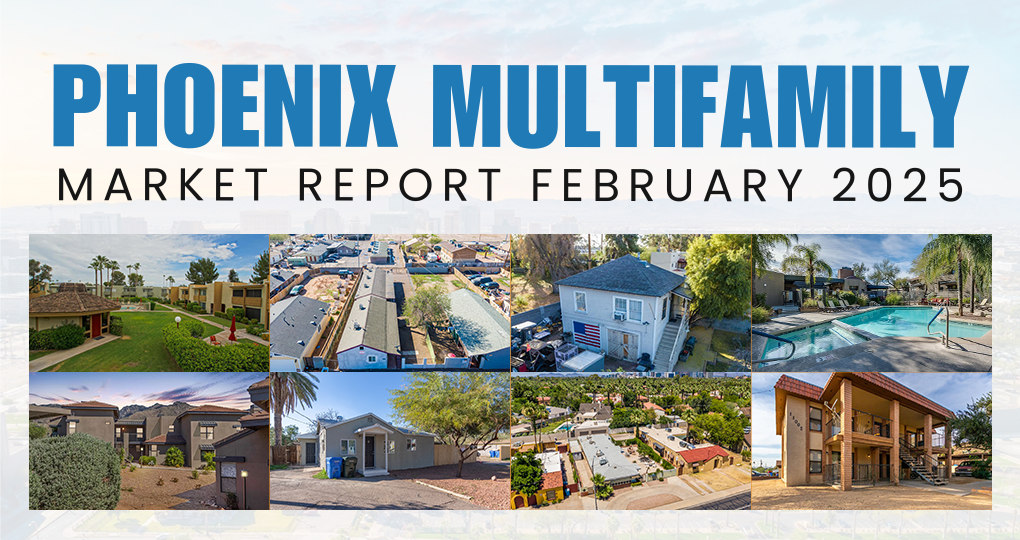
Phoenix MULTIFAMILY Market Report February 2025


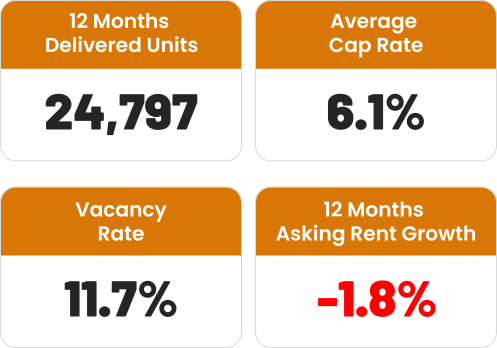
The Phoenix multifamily market showed signs of recovery in 2024, driven by easing inflation and rising consumer confidence, which boosted renter demand. While new supply still outpaces leasing, occupancy decline has slowed, signaling a potential recovery in property performance. Over the past year, 18,000 units were absorbed, exceeding the pre-COVID five-year average. Notably, mid-priced properties saw a turnaround, with 4,600 units absorbed, compared to negative absorption in the previous years.

Despite improved demand, high construction levels remain a challenge, with 25,000 new units completed in the past year and another 27,000 under construction. This has caused vacancies to rise, especially in high-growth areas like Downtown Phoenix and Tempe. However, workforce housing has been less impacted. Vacancy at luxury properties has increased significantly, and rents have declined by 2%.

Rent growth has been negative since 2023, with more than half of communities offering discounts. Vacancy is expected to peak in 2025, with a potential recovery by the end of the year. Rent growth may remain sluggish until 2026 as the market absorbs recent construction.

Phoenix MULTIfamily Market FAQ


 1. How is the Phoenix multifamily market performing in 2024?

The Phoenix multifamily market is showing signs of recovery in 24Q3. Easing inflation and rising consumer confidence have boosted renter demand, resulting in 20,000 units of net absorption over the past 12 months. However, vacancy rates remain elevated at 11.5%, largely due to a surge in new construction.


2. How does the current net absorption compare to pre-COVID levels?

Net absorption over the past year has outpaced pre-COVID five-year annual averages of 7,200 units, marking a significant improvement in tenant demand.


3. What property segments are performing best?

Midpriced 3 Star properties have shown a strong recovery, absorbing 5,000 units in the past year. Workforce housing has also remained relatively stable, with slight positive rent growth of 0.09%.


4. How is the luxury segment performing?

  • Workforce Housing (1 & 2 Star properties): These segments have seen a modest increase in vacancy rates, with a slight negative rent growth of -0.14%.
  • Luxury Properties: Vacancy has risen by over 650 basis points, and rents have declined by 2.0% year over year.


5. Are rents increasing or decreasing?

Annual rent growth has been negative since early 2023. Over the past 12 months, the average asking rent dropped by 1.8%. In response to elevated vacancies and competition, more than 50% of communities are offering rent concessions, such as six to eight weeks of free rent for properties in lease-up and four weeks for stabilized assets.


6. What does the future outlook look like for the market?

Vacancy is expected to peak in 2025, with a potential recovery beginning by the end of the year. However, a meaningful uptick in rent growth may take longer due to the oversupply of units from recent years. Rent growth is projected to remain slow in 2025 but could accelerate by 2026 as vacancy levels begin to stabilize.


Posted in CoStar Report
Jan. 2, 2025

Phoenix MULTIFAMILY Market Report January 2025


The Phoenix multifamily market is making progress toward recovery as 2024 comes to a close, supported by easing inflation and rising consumer confidence. These factors have reignited renter household formation, leading to a rebound in tenant demand. Over the past 12 months, Phoenix recorded 20,000 units of net absorption, significantly outpacing the pre-COVID five-year annual average of 7,200 units. Notably, mid-priced 3 Star properties have shown a strong turnaround, absorbing 5,000 units after years of negative net absorption.

Despite these positive trends, the market faces challenges from a construction surge. Builders delivered 25,000 new units in the past year—more than three times the annual average from 2015 to 2019. An additional 27,000 units are under construction, representing 6.7% of existing inventory and ranking Phoenix as the sixth most aggressively built apartment market in the U.S. This oversupply has pushed the metro-wide vacancy rate to 11.5%, with high-growth areas like Downtown Phoenix, Tempe, and the South West Valley seeing the most accumulation of empty units.

Market performance has varied by property type. Workforce housing has been more insulated from supply pressures, with vacancy rates rising modestly and rents showing a slight positive growth of 0.09% over the past year. In contrast, luxury properties have faced steeper challenges, with vacancy rates exceeding pre-pandemic highs by over 600 basis points and rents declining by 2.6% year-over-year.

Heightened competition has led to widespread rent concessions, with many properties offering up to eight weeks of free rent in lease-ups and four weeks at stabilized communities. Over 40% of properties are now offering some form of discount, reflecting the market's struggle to balance supply and demand.

Looking ahead, the market is expected to face peak vacancy rates in 2025, with a gradual recovery anticipated by the end of the year. However, meaningful rent growth may take longer to materialize as the oversupply from recent years is absorbed. By 2026, the market is expected to stabilize, with vacancy rates compressing and rent growth regaining momentum.

Despite current challenges, Phoenix remains a dynamic and evolving market with strong long-term growth potential. Investors and developers who navigate the current conditions strategically will be well-positioned to benefit from the market's recovery and future opportunities.

Phoenix MULTIfamily Market FAQ


 1. What is the current state of the Phoenix multifamily market?

The Phoenix multifamily market is showing signs of recovery in 24Q3. Easing inflation and rising consumer confidence have boosted renter demand, resulting in 20,000 units of net absorption over the past 12 months. However, vacancy rates remain elevated at 11.5%, largely due to a surge in new construction.


2. How does the current net absorption compare to pre-COVID levels?

Net absorption over the past year has outpaced pre-COVID five-year annual averages of 7,200 units, marking a significant improvement in tenant demand.


3. What property segments are performing best?

Midpriced 3 Star properties have shown a strong recovery, absorbing 5,000 units in the past year. Workforce housing has also remained relatively stable, with slight positive rent growth of 0.09%.


4. How is the luxury segment performing?

Luxury properties are facing challenges, with vacancy rates over 600 basis points higher than pre-pandemic levels. Rents in this segment have declined by 2.6% year-over-year, and concessions are widespread.


5. How has construction activity impacted the market?

Construction has surged, with 25,000 new units delivered in the past 12 months and 27,000 more under construction. This represents 6.7% of existing inventory and has contributed to elevated vacancies, particularly in high-growth areas like Downtown Phoenix, Tempe, and the South West Valley.


6. Are rent concessions common in the current market?

Yes, rent concessions have increased significantly. Over 40% of communities are offering discounts, with many properties providing six to eight weeks of free rent for lease-ups and four weeks for stabilized units.


7. What is the outlook for the Phoenix multifamily market?

Vacancy rates are expected to peak in 2025, with gradual recovery anticipated by the end of the year. Rent growth may remain subdued in the near term but is expected to accelerate by 2026 as the market adjusts to oversupply and vacancy rates begin to compress.


8. Is the Phoenix multifamily market still a good investment opportunity?

Despite current challenges, Phoenix remains a high-growth market with strong long-term potential. Strategic investments in well-positioned properties and segments like workforce housing could yield favorable returns as the market stabilizes and recovers.


Posted in CoStar Report
Oct. 26, 2022

Phoenix Multifamily Homes: How to Choose the Right Home for You [2022 Edition]

Phoenix Multifamily Home

Phoenix Multifamily Homes: How to Choose the Right Home for You [2022 Edition]


Choosing the right Phoenix multifamily home requires careful thought and consideration. Phoenix offers a variety of outdoor recreation, excellent employment opportunities, world-class golf, and a downtown that is lined with excitement, boutiques, unique small businesses, and much more. It is easy to see why Phoenix multifamily homes are highly desirable. In addition, great amenities, superb education facilities, and welcoming neighborhoods make investing in a Phoenix multifamily home a strong and reliable investment.

View More
Posted in Buying a home